
Hi, it’s Reede Fox again. Last time we went full-throttle on cult cinema. This time, we’re staying home. Because Britain didn’t just flirt with glamour culture, it engineered it. From tabloid shockwaves to pop-chart domination to AI avatars, this is the story of how persona became a product.
1950s – The Original Provocation: Diana Dors

Before Page 3. Before lad mags. Before reality TV. There was Diana Dors. Often compared to Marilyn Monroe, Dors understood something critical: headlines are leverage. She engineered publicity. She leaned into scandal. She monetised attention before the word “branding” entered everyday language. She wasn’t just glamorous, she was calculated.
1960s – The Permissive Wink: Barbara Windsor
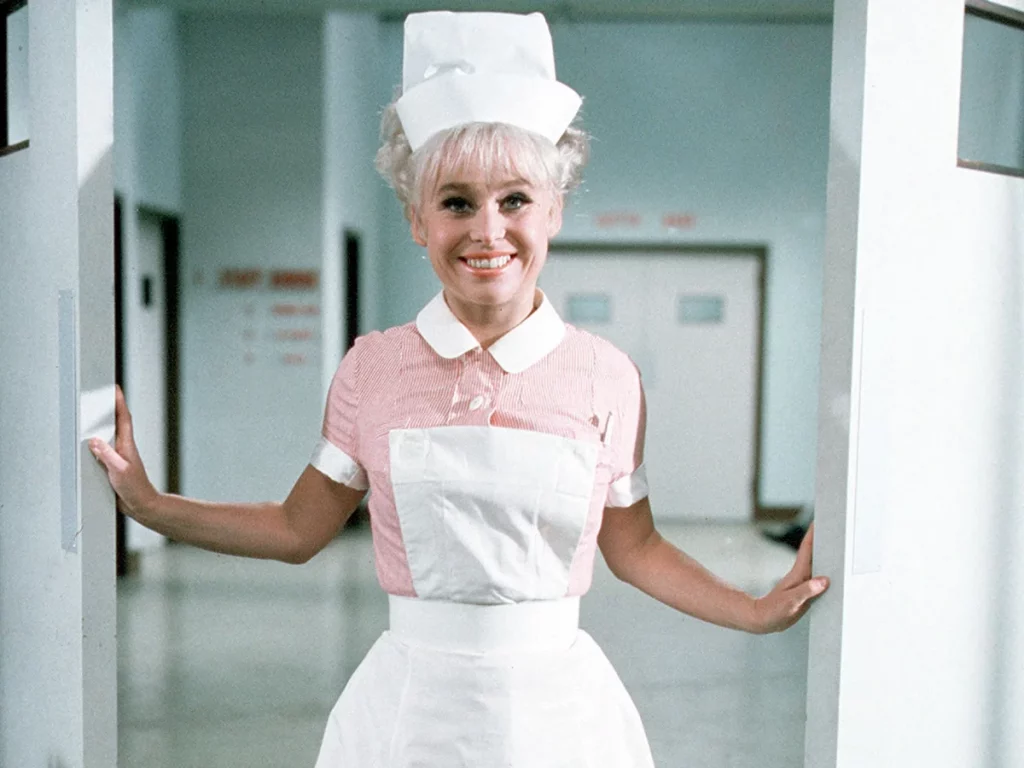
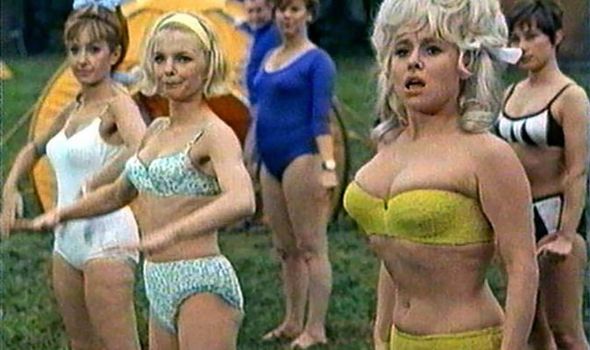
The 60s softened Britain. Mini-skirts, pop culture, and the iconic energy of Barbara Windsor in Carry On Camping. Her genius wasn’t explicit sexuality. It was timing. A wink. A knowing grin. She made adult humour mainstream, and mainstream acceptance is what allows industries to grow.
1970s – Fantasy & Softcore Commerce
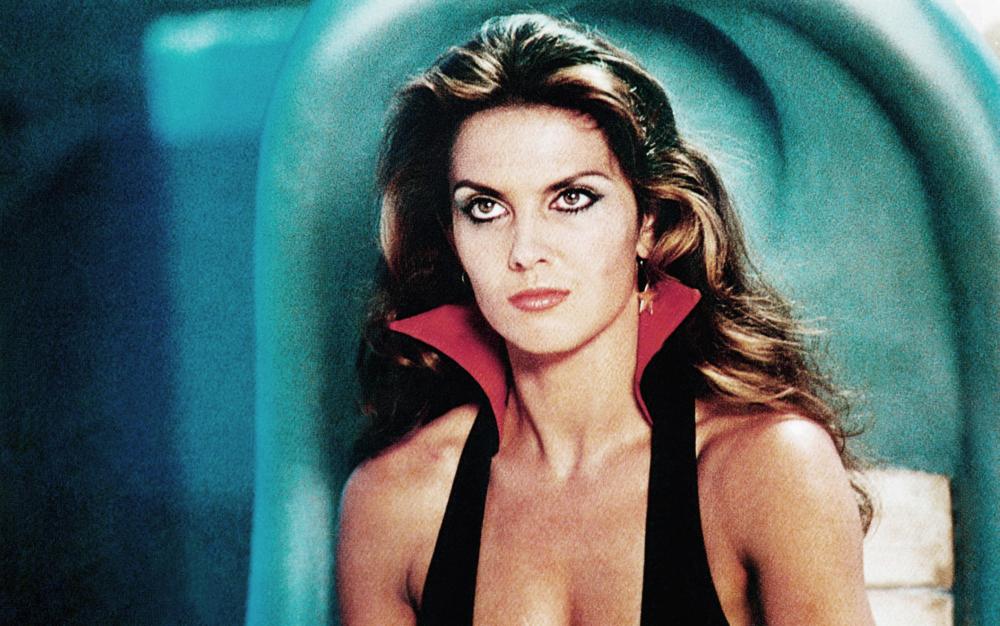
The 70s expanded the lane. Caroline Munro brought stylised glamour into fantasy cinema, appearing in The Spy Who Loved Me and defining Bond-era allure. Meanwhile, Fiona Richmond helped prove that British softcore cinema could be commercially serious with Come Play with Me. Now sexuality wasn’t just cheeky, It was profitable.
1980s – Glamour Becomes Power: Joan Collins
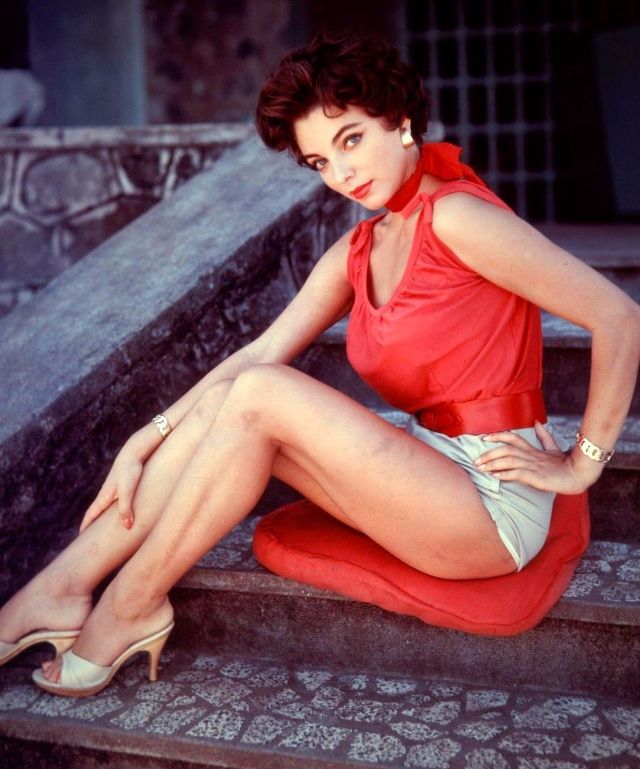
Before ruling prime-time in Dynasty, Joan Collins fronted provocative British cinema in The Stud and The Bitch. Then she turned glamour into dominance. Alexis Carrington didn’t flirt for approval, She commanded rooms. By the 80s, sexuality had evolved from playful to powerful.
Late 80s – The Missing Link: Samantha Fox

Here’s the pivot point. Samantha Fox started as Britain’s most recognisable Page 3 model, but she didn’t stay in print. In 1986 she released Touch Me (I Want Your Body), turning glamour visibility into international pop-chart success.
This was the key transition: Image → Music → Global export → Brand.
Sam Fox proved that glamour wasn’t just domestic tabloid currency. It could scale internationally. She’s the bridge between Joan’s television dominance and Jordan’s industrialised brand machine.
1990s – The Monetisation Machine: Jordan
Then came Katie Price AKA Jordan.
She didn’t just leverage exposure, she systemised it. Page 3 → Reality TV → Books → Licensing → Fragrance → Merchandising. She built revenue architecture around persona.
2025 – The AI Extension
And in 2025, Jordan stepped into the AI era with a digital avatar version of her brand.
From Dors’ tabloid scandal…
To Windsor’s wink…
To Munro’s cinematic fantasy…
To Collins’ authority…
To Fox’s global export…
To Jordan’s commercial empire…
To AI scalability.
Technology changes.
Distribution changes.
Billing changes.
But one constant runs through seventy years of British glamour culture: Persona is currency. And the smartest legends know how to spend it.
The platforms evolve. The audience shifts. But the business of attention never disappears – it simply adapts. Explore the next evolution of live glamour entertainment and see how digital personas are reshaping the industry in real time.