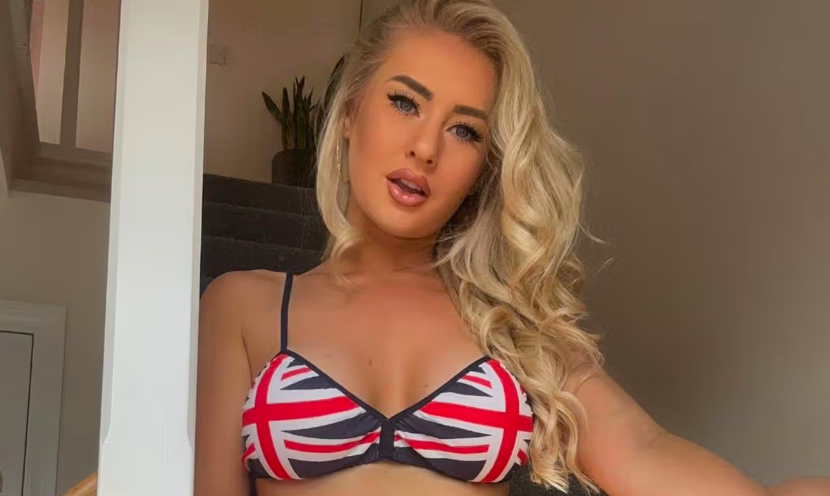
Before social media feeds, before subscription platforms like OnlyFans and long before the internet turned everyone into a content creator, Britain had its own wonderfully outrageous corner of the media world. It was loud, unapologetic, a little ridiculous and completely unmistakable. It was called the Daily Sport.
David Sullivan, the entrepreneur behind the paper, knew exactly what kind of publication he wanted to create. Having already built a successful business in adult magazines during the 1970s and 80s, Sullivan launched the Sunday Sport in 1986 before expanding the brand with the Daily Sport. The formula was simple: outrageous humour, sensational headlines and plenty of glamour photography. It was unapologetically tabloid, and for readers looking for something cheeky at the newsstand, it worked. The newspaper quickly built a reputation unlike any other tabloid on the shelves.
While other papers competed for political headlines and football gossip, the Daily Sport leaned proudly into something far cheekier.
Front pages regularly featured glamour models, unbelievable stories and headlines that made readers stop at the newsstand just to double check what they’d read. It wasn’t trying to be serious. And that was exactly the point.
The Wildest Paper on the Newsstand
At its peak during the late 80s and 90s, the Daily Sport became famous for its outrageous front pages. Stories about UFO sightings, strange celebrity encounters and the occasional headline so unbelievable it bordered on surreal became part of the paper’s identity. Whether readers believed every word was almost irrelevant.
The Sport was entertainment first and journalism second. But behind the madness, it also played a genuine role in Britain’s glamour model culture.
A Playground for Glamour Models
Long before Instagram followers or OnlyFans subscribers were the currency of fame, appearing in a national newspaper could introduce a model to millions of readers overnight.
The Daily Sport regularly featured glamour photography and helped give exposure to a generation of British glamour models. Alongside other tabloid staples like The Sun and the Daily Star, it became part of the wider glamour ecosystem that defined British lad culture during the 1990s and early 2000s.
This was the same era that produced:
- Page 3 models
- lads’ magazines like Nuts, Zoo and Loaded
- the rise of glamour photography as mainstream tabloid entertainment
For many aspiring models, these pages were the first step into a wider career.

A Daily Sport Legend
One model whose career became closely associated with the Daily Sport was Linsey Dawn McKenzie. McKenzie first appeared in the newspaper in the mid-1990s and quickly became one of its most recognisable nude stars. After beginning her modelling career at a young age, she went on to appear regularly in the pages of the Daily Sport throughout the decade.
The paper often featured glamour photography grids that introduced readers to new models, and McKenzie became one of the names most closely associated with that era of tabloid glamour culture. Over time she developed a long career across magazines, television and the wider adult entertainment industry. In a nice twist of history, McKenzie has also appeared on Babestation cams.
From Tabloids to Television
As the media landscape began to change in the early 2000s, the glamour world started shifting from print into new formats. Satellite television was expanding rapidly and broadcasters were experimenting with late-night programming that blended glamour modelling with interactive entertainment.
This evolution eventually produced the babeshow era, where presenters appeared live on television and viewers could call or text the studio to interact with them directly. For many fans, the faces they had first seen in newspaper features were now appearing live on screen. The stage had changed, but the personalities remained.
When the Daily Sport Visited Babestation
The connection between the Daily Sport and the world of babeshows wasn’t just cultural, it occasionally became quite literal. During the height of the babeshow era, reporters and photographers from the paper even paid a visit to the Babestation studios, capturing behind-the-scenes glimpses of the late-night shows that had become one of the most recognisable forms of adult entertainment on British television.

For the Sport, it was the perfect story: glamour models, late-night broadcasting and a format where viewers could interact directly with the presenters. For Babestation, it was another sign that the same British tabloid glamour culture that had once filled newspaper pages had simply found a new stage on television.
A Very British Kind of Mischief
Looking back today, the Daily Sport represents a very particular moment in British media. It was cheeky, outrageous and never afraid to be slightly ridiculous. The paper embraced a kind of tabloid mischief that felt unmistakably British.
While the media landscape has changed dramatically since those days, the spirit of that era still echoes through modern entertainment.
The platforms may have evolved, from newspaper pages to late-night TV and now to digital streaming, but the fascination with glamour personalities and larger-than-life stories hasn’t gone anywhere. And somewhere in the middle of that story, the Daily Sport will always have a place as the tabloid that proudly kept things a little bit naughty.