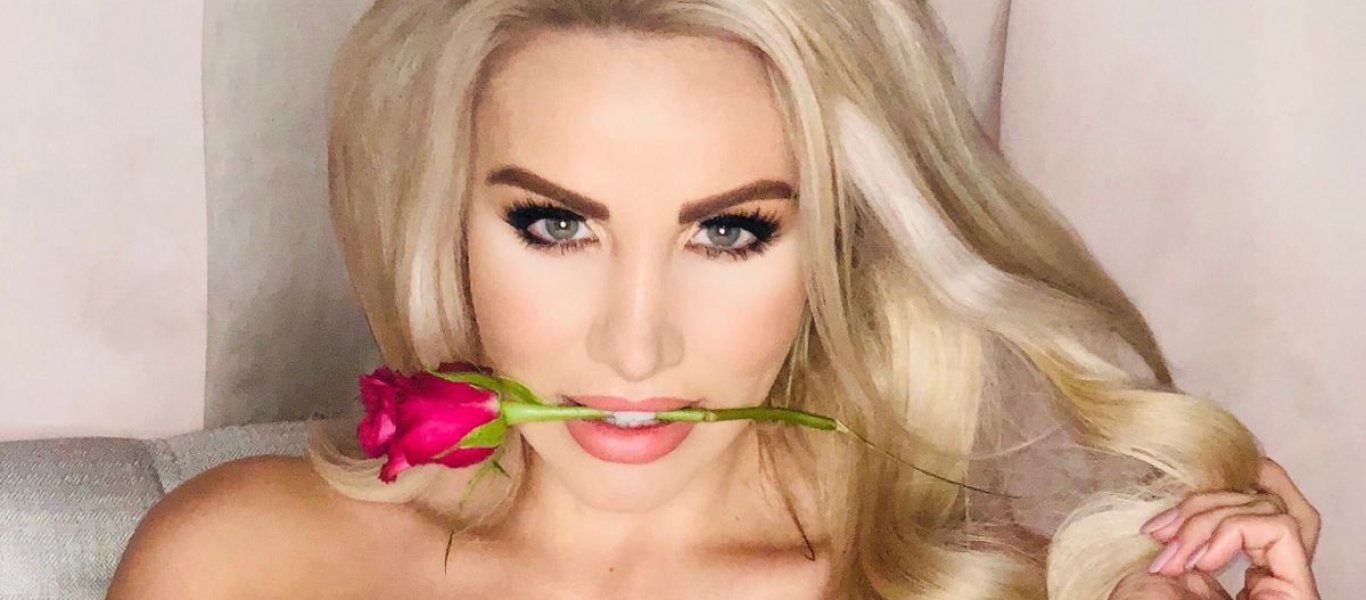
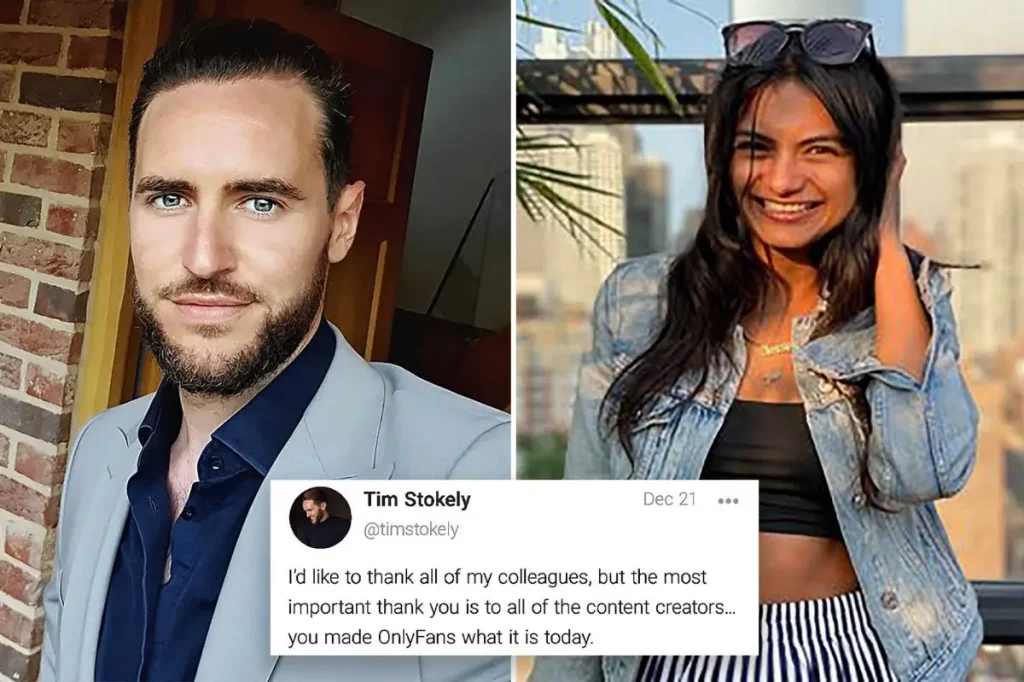
In July 2016, subscription platform OnlyFans quietly launched in London. Founded by British entrepreneur Tim Stokely with a reported £10,000 loan from his father, the original concept wasn’t specifically intended as adult entertainment. Instead, the platform was envisioned as a premium subscription-based social network where creators could place exclusive content behind a paywall.
Fitness trainers, musicians, influencers and online personalities were all part of the early vision. But over the next decade, OnlyFans evolved into something much larger – and the glamour and British babeshow industry played a surprisingly important role in that transformation.
Today, the platform sits firmly inside mainstream culture. Celebrities, reality TV stars and influencers openly promote subscription pages. TV shows casually reference OnlyFans in storylines, while newspapers regularly discuss creator earnings as part of modern entertainment business coverage. Yet before Hollywood stars and influencer agencies arrived, many of the creators helping shape the platform’s early identity came from a very different world: the UK babeshow industry.
Before Creator Platforms, There Were Babeshows
Long before creator subscriptions became mainstream, channels such as Babestation and Studio66 had already built entertainment ecosystems around direct audience interaction Unlike traditional television, babeshows relied heavily on participation. Audiences paid for:
At the centre of the industry were personality-driven presenters building loyal fanbases through constant audience engagement rather than traditional celebrity culture. In hindsight, many of the behaviours that later powered creator platforms already existed inside the babeshow ecosystem years earlier.
|
Babeshow Era |
Creator Platform Era |
|
Premium-rate calls |
Subscription revenue |
|
Text interaction |
Direct messages |
|
Private chat |
PPV content |
|
TV personalities |
Creator brands |
|
Channel-controlled audiences |
Creator-owned audiences |
The technology changed, but the audience psychology remained remarkably similar.
The Early OnlyFans Transition
Although OnlyFans officially launched in 2016, its early growth was relatively quiet. That began changing during 2017 and 2018 as glamour models, live cams performers and babeshow personalities increasingly adopted the platform. This was not accidental. The glamour and adult industries already understood:
- direct monetisation
- parasocial fan relationships
- premium interaction
- audience loyalty
- fantasy branding
In many ways, these creators helped demonstrate the commercial power of subscription intimacy long before the wider creator economy fully understood it.Among the personalities most closely associated with this early transition was Dannii Harwood.
Harwood was not simply another babeshow performer entering the subscription economy. By the late 2000s and early 2010s, she had already become one of the most recognisable personalities in the UK glamour and babeshow scene, with a profile extending beyond late-night television into mainstream tabloid and lads-mag culture. And still active at Babestation. That matters historically because it showed that major established personalities, not just newcomers, were embracing creator-owned subscription platforms.
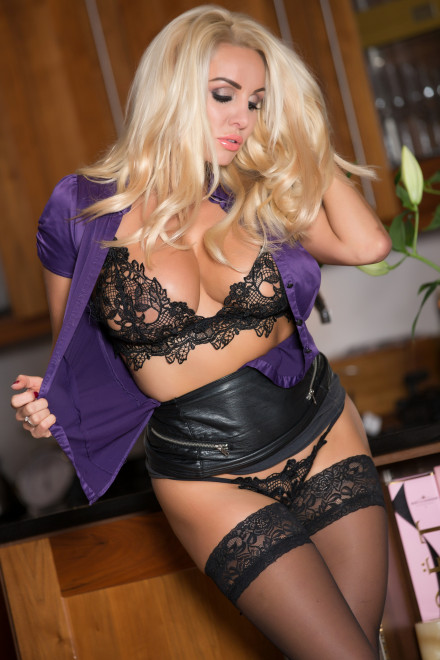
Dannii Harwood would later become one of the defining figures of the platform’s early era and was widely reported as one of the first British creators to make £1 million through OnlyFans.
By February 2019, The New York Times was already publishing features on Harwood and the rapidly growing creator subscription economy surrounding OnlyFans, demonstrating how quickly the platform had moved from niche startup to international media phenomenon. What is particularly striking in hindsight is that many of these early breakout creators came directly from:
- glamour modelling
- lads mags
- webcam culture
- late-night babeshows
At that stage, OnlyFans was still heavily associated with glamour and adult entertainment rather than mainstream celebrity culture.
2018: The Turning Point
The real turning point came in 2018. That year, Leonid Radvinsky, owner of webcam giant MyFreeCams, acquired a major stake in OnlyFans’ parent company, Fenix International. Following the acquisition, restrictions around explicit content softened and the platform rapidly evolved into a creator-driven adult subscription ecosystem.
At almost the same moment, the UK babeshow industry was beginning to visibly react to the shift. Fans on industry forums openly discussed:
- performers leaving channels
- changing contracts
- growing creator independence
- the increasing influence of OnlyFans
For the first time, performers could potentially build audiences they personally controlled rather than relying entirely on television channels for exposure and monetisation. While parts of the industry appeared uneasy about the rapid rise of creator-owned monetisation, Babestation moved surprisingly early to adapt to the changing market.
In mid-2018, Babestation launched Babestation Fans, its own creator-style subscription platform. Internal discussions at the time focused on:
- revenue sharing
- platform deductions
- billing systems
- payout structures
- performer statements
This demonstrated that the babeshow industry was already evolving beyond traditional television broadcasting and moving toward creator-platform economics. By late 2018, the shift was becoming impossible to ignore.
The Pandemic Explosion
While OnlyFans had grown steadily after 2018, the platform truly exploded during the COVID-19 lockdowns. As nightlife, hospitality and traditional entertainment industries shut down across the world, millions of creators and subscribers moved online. Direct digital interaction suddenly became mainstream.
Under the ownership structure of Fenix International, OnlyFans rapidly transformed from a fast-growing niche platform into a global creator economy giant. Celebrities, influencers and reality TV personalities entered a space that had previously been dominated by glamour models and adult creators.
By the early 2020s, OnlyFans was no longer viewed as a niche subscription platform. It has become part of mainstream internet culture. But many of the systems that powered its success – direct fan access, subscription intimacy, premium messaging and creator-led monetisation, had already existed for years inside the UK babeshow industry.
The Forgotten Link Between Babeshows and the Creator Economy
Today, it’s easy to view OnlyFans as a product of influencer culture and social media celebrity. But the reality is more complex. Long before mainstream celebrities arrived, the UK babeshow industry had already spent years developing the audience behaviours and monetisation structures that helped define the modern creator economy.
In that sense, the babeshow era did not simply disappear. It helped build the world that came after it. If you’re curious to see where that journey led, explore Babestation’s collection of live cams, exclusive content and some of the UK’s most recognisable glamour personalities.