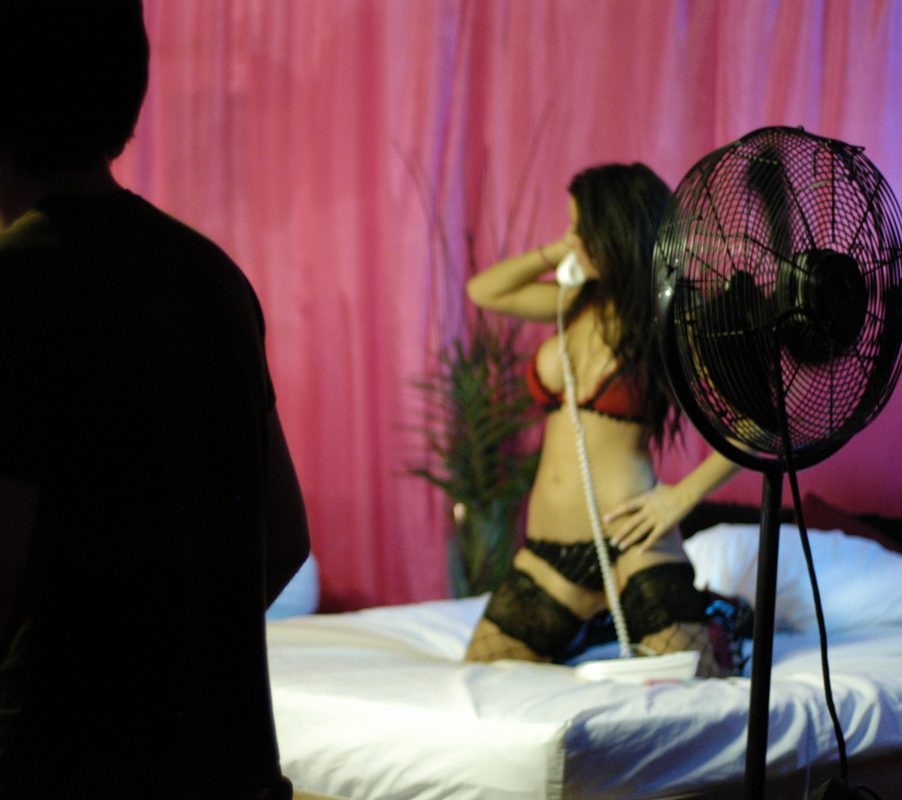
Glam presenters, tiny outfits, late-night phone lines – it doesn’t necessarily scream empowerment. And for years, anything like that on TV got criticised for putting women in positions where they were being watched, judged, and picked apart. But if you actually spent any time watching the babeshows properly, you’ll know it wasn’t quite that simple. In a lot of ways, the whole thing quietly flipped the usual script on its head.
The Old TV Setup
For years, telly had a very predictable formula when it came to “glamour”. Women were there to be looked at. That was the job. Think beauty contests, panel shows, even bits of light entertainment – you’d have women lined up while judges (very often men) decided who was the best looking, the most talented, or just the most “worthy”.
The power dynamic was obvious: men judged, women got judged.
What Babeshows Did Differently
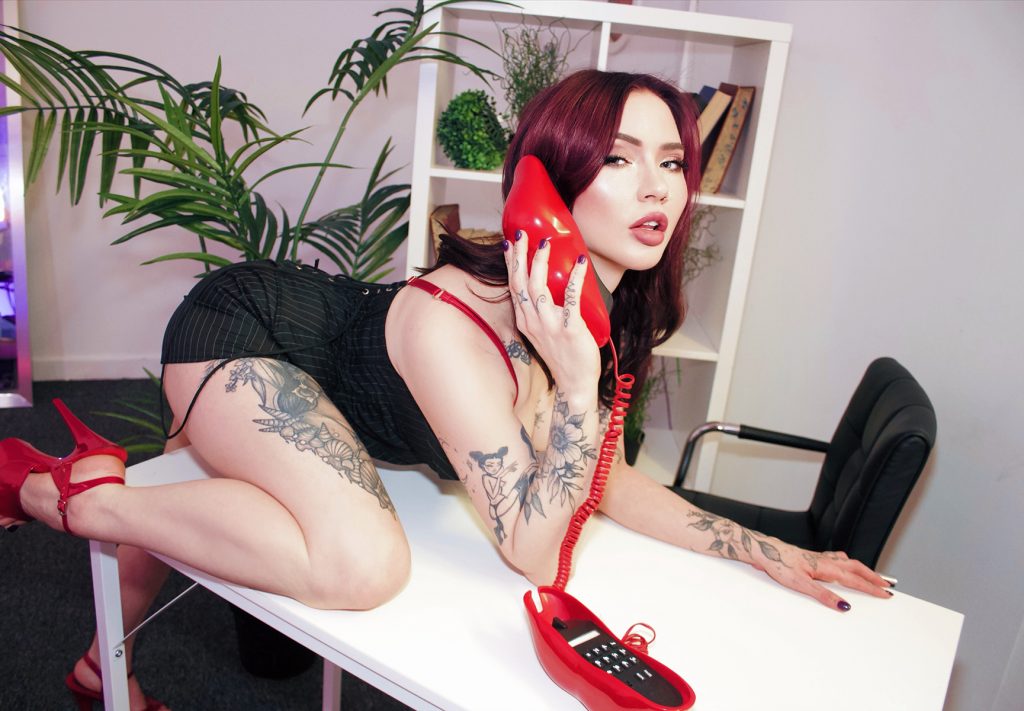
Babeshows changed that dynamic more than people give them credit for. The presenters weren’t there competing for approval. They were working.
Viewers weren’t judging them – they were paying to talk to them through phone sex, sexting, or the popular one was to receive dick ratings. And once money enters the equation, the balance shifts. The presenter controlled the vibe, the pace, and how far anything went. Callers might ring in thinking they were in charge, but nine times out of ten, they weren’t.
If anything, it was the other way round. The caller wanted attention. The presenter decided whether they got it.
There Was Actual Skill Involved
Anyone who watched regularly knows this wasn’t just “sit there and look nice”. The good ones were sharp. JThey could juggle multiple callers, keep things interesting for hours, handle awkward blokes without it getting weird, and build a proper following of regulars who’d tune in just for them.
That’s not passive. That’s hosting, performing, and managing people all at once. And the ones who were really good at it ended up running the show without it ever looking forced.
When It Spilled Into the Mainstream
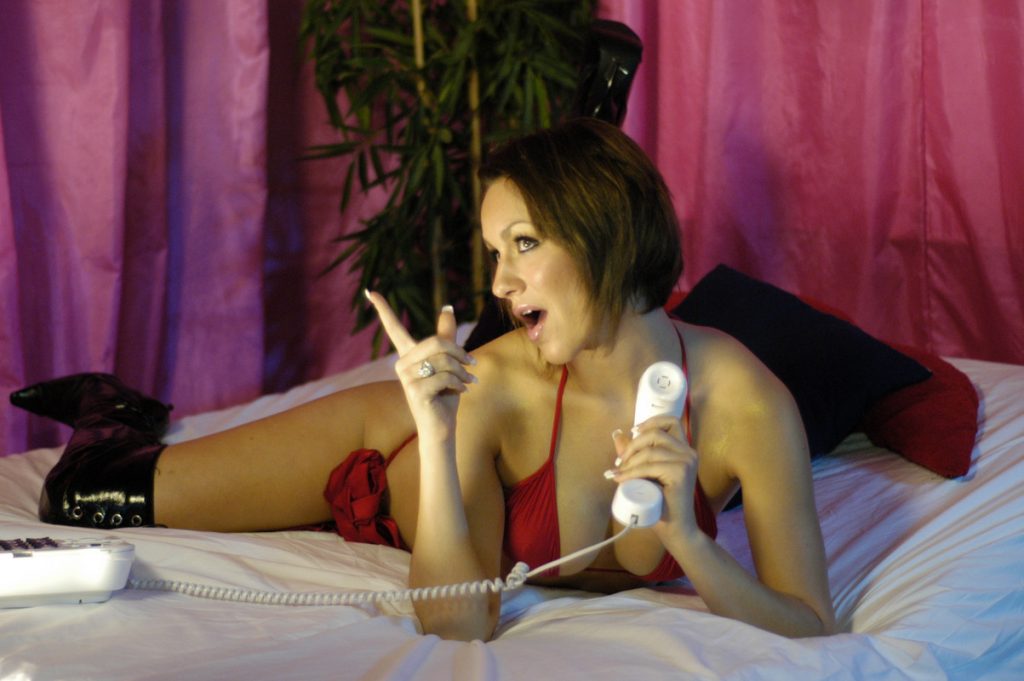
You saw this dynamic really clearly when Danica Thrall went into Celebrity Big Brother in 2012. Before that, she’d been a well-known face on Elite TV, so she already understood how to handle attention. Inside the house, it played out exactly how you’d expect if you knew babeshows.
Blokes who were meant to be the “big personalities” ended up circling her, competing for attention, getting a bit rattled when they didn’t get it. To anyone who’d watched her on late-night TV, it wasn’t surprising at all. Same dynamic, just in a different setting.
These Weren’t “Contestants”
Another thing people miss is that babeshow presenters weren’t there hoping to be picked. They were already the main attraction. Most had backgrounds in modelling in lads mags, presenting, or adult work, and the smart ones built proper personal brands. Regular viewers didn’t just watch the channel – they watched specific women. That’s a completely different position to being “judged”. They weren’t waiting to be chosen. They were the reason people tuned in.
The Money Side of It
At the core of it, babeshows ran on one simple idea: People paid for attention. Not to rate someone. Not to vote. Not to decide who stays or goes. Just attention. And the better a presenter was at holding that attention – being engaging, playful, a bit cheeky without overdoing it – the more valuable they became. That’s where the real control sat.
A Quiet Shift
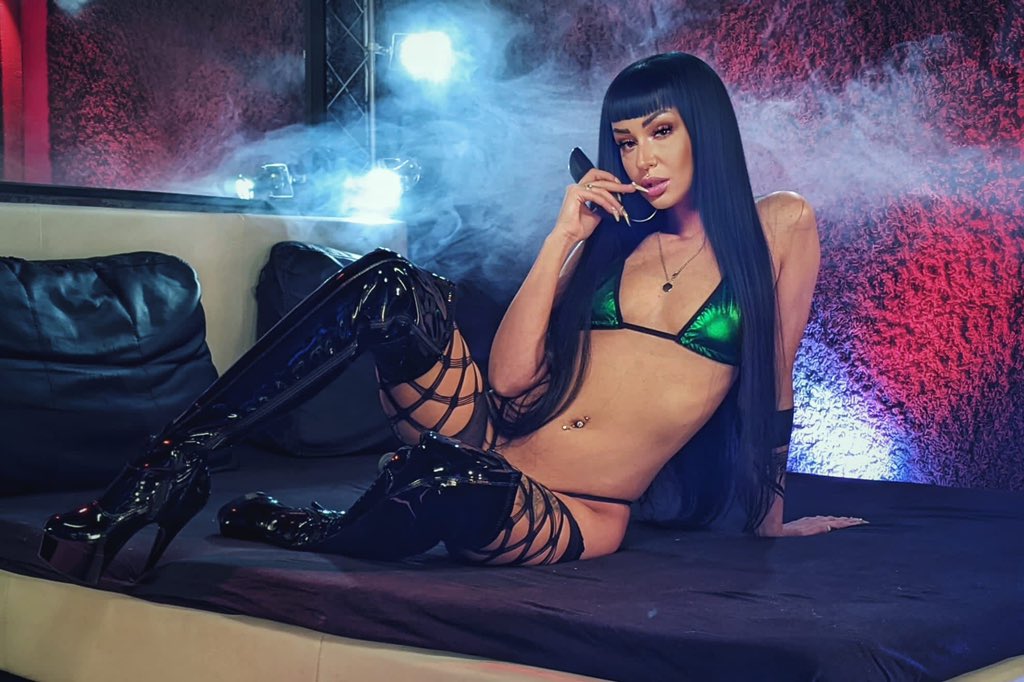
Babeshows didn’t magically fix how women are portrayed on TV. But they did introduce something a bit different.
A format where the woman on screen wasn’t just there to be looked at – she was running the interaction, steering the conversation, and deciding how things played out. And more often than not, she knew exactly what she was doing.
Explore the hottest babes from the early days of the babe channels to the current newbies on nude cams.